
Blog
Breathe

Holidays Can Be Hard
ome aspects of the holidays that can be particularly difficult when you are facing any type of mental health challenge include:
- Dealing with unwanted advice from people you hardly know
- Feeling overwhelmed by large numbers of people at gatherings
- Confronting triggers like food, alcohol, and toxic or abusive family members
- Increased anxiety
Whatever you are struggling with during the holiday season, here are some ways to deal with it.
- Come up with a few brief lines ahead of time so you can respond to unwanted comments calmly and neutrally. Try something like, “Just knowing I have your support is helpful.”
- Pick and choose where you’ll go and with whom you’ll spend time.
- Give yourself permission to leave gatherings before you are overwhelmed.
- Regularly practice deep breathing and mindfulness to calm anxiety and stress.
- Give yourself permission to spend time alone, and balance that with tolerable holiday festivities.
3 Simple Ways to End Loneliness
These three simple ideas can help you start to end the loneliness you’re experiencing.
- Be more intentional about your time on social media. Limit your time there, and when you are on, be purposeful about what you’re doing
- Eat lunch with co-workers rather than alone. It ends lunchtime loneliness and often leads to connections outside of work.
- Make eye contact, smile, and even say hello. When you’re out and about, keep your head up and notice people. Start simple, with a smile and a nod. Just a brief interaction like this creates a physical and mental feeling of happiness that will encourage you to continue.
Initially, taking measures to end loneliness can be intimidating and anxiety-provoking. Use mindfulness to stay in each moment.

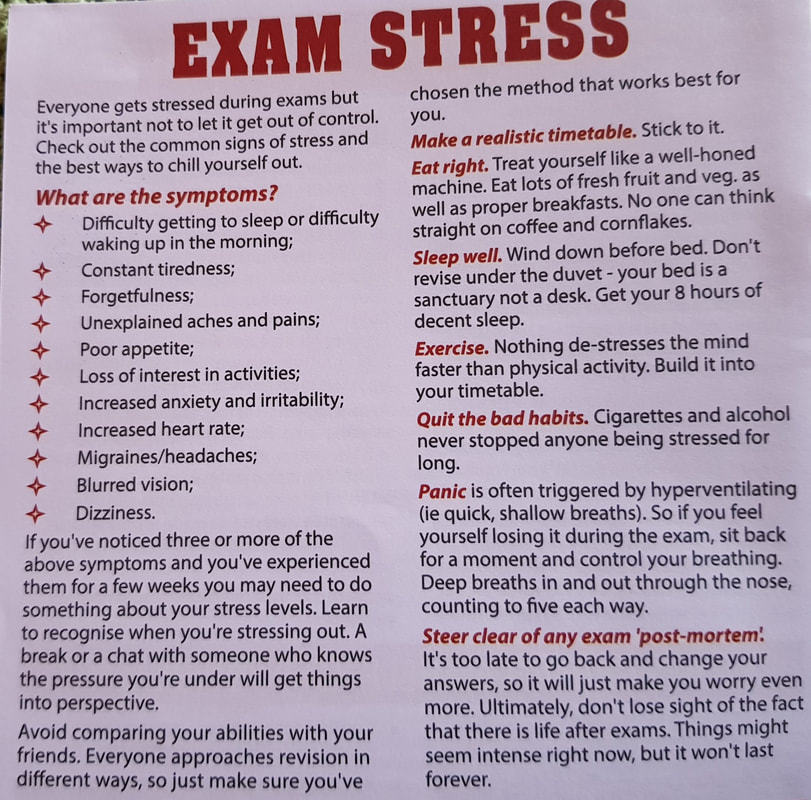
Exam Stress
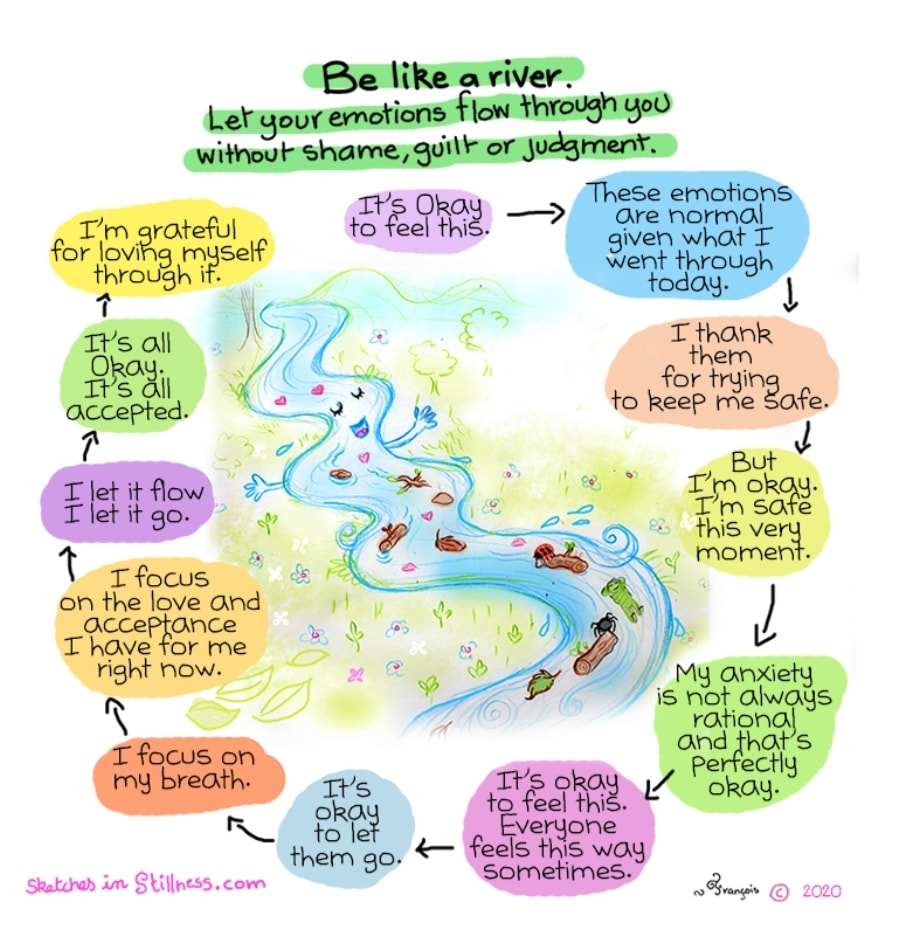
Feelings river
Is Ketamine a Depression Miracle Cure?
While depression currently lacks a definitive cure, especially a miracle cure, ketamine seems to making strides. After years of clinical studies, the FDA approved a ketamine nasal spray for severe depression in 2019.
Ketamine was first used in the 1960s as an anesthetic. Later, it proved useful for pain relief. Unfortunately, ketamine also has a dark side: it is used illegally as a club drug and has been used as a date rape drug. Now, in a nasal spray format and used in conjunction with oral antidepressants, it’s offering promising results for depression.
A small number of approved doctors have begun prescribing ketamine for treatment-resistant depression with positive results. People with severe depression have seen improvements in their symptoms quickly—within mere hours. Traditional antidepressants can take weeks to months to have full effect. Ketamine has also helped people who have had suicidal ideation and behaviour.
Doctors remain hopeful but cautions. Ketamine for depression is too new to know the long-term effects. Further, it carries risk of serious side-effects such as abuse, tolerance and addiction.
Eating Disorders
Eating disorders are complex mental disorders that, often are misunderstood… According to the American Psychiatric Association’s Diagnostic and Statistical Manual of Mental Disorders, Fifth Edition (DSM-5) there are eight eating disorders namely;
- Pica
- Rumination disorder
- Avoidant/restrictive food intake disorder
- Anorexia Nervosa
- Bulima Nervosa
- Binge-eating disorder
- Other specified feeding or eating disorder
- Unspecified feeding or eating disorder
A common stereotype of someone with an eating disorder is that she’s an adolescent or in her early 20’s. While that often is the case, feeding and eating disorders can affect people as young as infants and can occasionally strike after the age of 40. Females are typically affected more often than males; however, males can also develop eating disorders.
Eating disorders impair physical and mental health, and disrupt many areas of functioning: emotions, thoughts, and behaviours. This can make treatment difficult. Nonetheless, people can overcome eating disorders and thrive.
Are Self-Help books helpful?
Many people don’t have access to adequate treatment, thus in these cases alternatives to psychotherapy such as self-books have enormous potential. They may be a powerful way to help people who otherwise aren’t able receive services.The number of self-help books stocked at the books stores is staggering. There are plenty of options. The question is: how do we choose a self-help book that will helpful?
One thing readers may not realize is that a writer doesn’t need any training or background in mental health in order to write a self-help book. The result is that self-help authors often suggest things based on outdated ideas-if they’re based on anything at all. Another problem with the self-help literature is that even with books that are written by recognized experts in their field and based on well-researched psychological treatments; there is rarely any research on whether the book itself is effective as a standalone treatment. A self-help book may be based on supported principles, but it doesn’t necessarily mean that the average person picking up the book can effectively put those principles into practice and/or benefit. Nonetheless, there’s some evidence that self-help books are effective in the treatment psychological conditions such as depression, anxiety, and panic.
How to choose self-help books
1.) Choose books that target specific problems, ones that are more general may be less useful.
2.) Avoid books that promise miracle cures.
3.) Look for books that offer very specific guidance on how to use them and how to monitor whether you’re improving.
4.) Books by authors who work at an academic institution may be safer. The reputation of academics lies more on their ability to be objective researchers than on selling books or promoting their own brand of therapy. Consequently, they are less likely to support unfounded ideas, as that may damage their reputation as academics.