
Blog
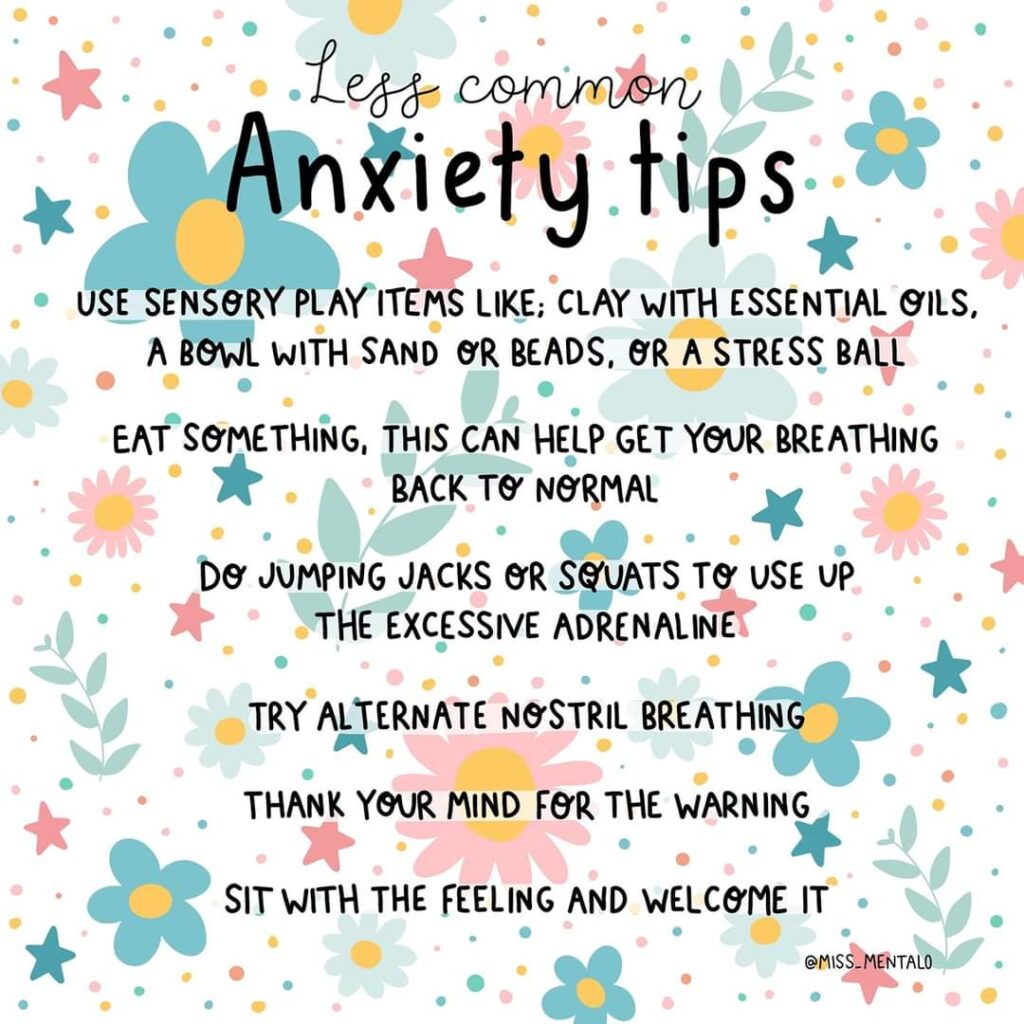
Anxiety Tips
Burnout vs. Depression
Have you been struggling with exhaustion and a lack of desire to do daily tasks? Do you find yourself overwhelmed and perhaps hopeless? You might be experiencing burnout, but it could be something more.
It can be difficult to know if you’re experiencing burnout or major depression because they both can cause:
- Fatigue (feeling physical and/or emotionally drained)
- Loss of motivation
- Lack of interest in things once enjoyed
- Difficulty thinking and concentrating
- Hopelessness
- Withdrawal from friends, family, and activities
- Physical symptoms (headaches, digestive troubles, muscle or joint pain, and more)
- Neurochemical/hormonal changes in the brain and body
Depression, though, goes deeper and is more serious. In addition to the above symptoms, depression can cause:
- A sense of worthlessness
- Excessive feelings of guilt
- Significant weight changes
- Sleep disturbances (sleeping too much or hardly at all)
- Thoughts or death or suicide, with or without a plan
Burnout is typically caused by stress. While depression can be linked to stress, its causes can also be genetic. Sometimes, the cause of depression is unknown. Burnout tends to be shorter lived, improving once the stressor is addressed. Depression can disrupt life for weeks, months, or even years if left untreated. The good news is that both burnout and major depression can be treated. Working with a therapist can be beneficial for both
Self Talk

Mental Illness – It’s not your fault
Mental illness can be difficult to live with. It creates a lot of challenges and interferes in how people think, feel, and behave. Mental illness can make people incredibly hard on themselves. Self-blame and guilt are common mental illness sidekicks. Part of healing involves knowing—and believing—that you are not to blame for your illness. Mental illness isn’t your fault.
Comments such as, “I’m worthless,” “I’m stupid” and “I give myself migraines because I worry so much,” are tragic. They’re tragic because they’re untrue. Mental illness is something you experience. It isn’t who you are, and you didn’t do anything to cause it. Nor do you cause your symptoms to flare. Mental illness is complex with multiple causes. Genetics can play a part, as can functioning of and chemical activity within the brain and nervous system. Sometimes, things happen to people that rewire the brain and lead to ongoing symptoms. Your actions do not cause mental illness or its symptoms.
To help yourself let go of self-blame, catch your critical thoughts and immediately remind yourself, “This is something I live with. I didn’t cause this.” Keep your statement simple and firm to help it stick. When you replace self-blame with this simple fact, you will begin to believe in your inherent worth.
Helpful apps for neurodiverse people

Learning disorders

Coming home to the self

Are You Being Manipulated by a Gaslighter?
If you are being manipulated by a gaslighter, there’s a good chance you might not even be consciously aware of it. Gaslighters are notoriously good at what they do. Here are some questions to ask yourself.
- Have you been (or are you now) in a relationship that makes you feel squeamish, negative, and confused but you can’t quite pinpoint why?
- And when you do try to figure out why you feel that way, you end up thinking that the issue isn’t with your partner but with you?
If so, you may have been (or may now be) in an abusive relationship created and perpetuated by a behavior called gaslighting.
Effects of Gaslighting
Gaslighting is a sneaky form of abuse that involves cruel and calculated psychological warfare. In this type of abuse, the person gaslighting torments their victims to make them question their own thoughts, feelings, emotions, behaviour, and memories. Someone use gaslighting techniques against another human being continually confuses their victim by chipping away at their perception of themselves, others, and their world. The primary effect of gaslighting is that over time, victims of gaslighting lose trust and faith in themselves and are made to feel completely reliant upon their abuser, even grateful that the abuser bothers to care for them and help them through life. If you suspect you’re involved with a gaslighter reach out for help.
Stress

Midlife Stress
Modern life is stressful, and it seems that stress and mental health challenges are on the rise. While nearly every age group feels this added pressure, the people who seem to have experienced the greatest increase in stress are those between the ages of 45 and 64.
The increase in technology, including smart phones, and the way it has sped up life and created 24-hour access to news and other stress-inducing sources affects all age groups. Furthermore, people in midlife have increased responsibilities as compared to other people in other age groups. The stress is taking a toll on mental health.
Self-care is perhaps more important in the new decade than ever before. Some low-pressure ideas:
- Pause every hour to breathe deeply for one minute
- Keep a journal to record times of gratitude
- Exercise, even just 20-30 minutes a few days a week
- Turn off technology and screens at least an hour before bed every night