
Blog
3 Ways to improve your well-being
- Taking Care of a Plant. When you have a plant to take care of, you must water it and continue to check its health, and you get to watch it grow and blossom. Just buy purchasing a small plant, you can support the life of a plant while supporting your life as well.
- Taking Care of a Pet. Whether you are taking a care of a goldfish or a dog, you are providing happiness for a living, breathing life and just by having that responsibility, you will be able to improve your focus.
- Volunteering. Volunteering is a great way to give back and, in turn, fill yourself with the compassion you shared with others.
Managing your emotions during a traumatic event
It is helpful to remember that feelings are just feelings, especially if something traumatic happens. Allow your feelings to happen, and then try some reality testing: check with yourself or someone else to see just how realistic your thoughts and emotions are. Then, grounded in your reality, put your feelings in perspective. It can be healthy, too, to limit your exposure to the traumatic event. It is normal to react strongly to a traumatic event.
Seven steps to help you conquer depression

Living With Mental Illness? Do You Tell People?
Living with mental illness can be overwhelming. In addition to coming to terms with the effects and symptoms of mental illness and creating a positive lifestyle, many people face the difficult decision about whether or not to tell people about their mental illness diagnosis This is a common question in mental illness support groups and in casual conversation. There isn’t, however, a common answer. Whether or not to tell others about your mental illness is a personal decision. People have many reasons to keep their mental illness private, and others have many reasons to be forthcoming. If you are struggling with the decision about telling people, write down your fears, your imagined negative and positive consequences, your goals, and what you might gain or lose with your choice. Keep in mind, too, that the decision to tell people does not necessarily mean that you have to tell ALL people about your illness.
Anger
Anger is a normal human emotion. Anger is part of the fight-or-flight system; it can serve a protective function. Feeling angry fuels aggression and motivates us to fight. Stressful situations; perceived embarrassment, humiliation, or bullying; substance use; and some mental illnesses (such as mood disorders, trauma-induced disorders, and some personality disorders) cause people to experience strong feelings of anger. Anger, interferes in relationships, school and work. It can lead to isolation and loneliness, which can be frustrating and fuel more anger. Additionally, anger disrupts mental health by diminishing the sense of happiness and overall life satisfaction.
An effective way to prevent anger from interfering in life is to think differently about situations and people that trigger anger. You can’t control others, but you can control yourself. Determine what’s important to you in your relationships, and speak and act to enhance what’s important. When your instinct is to lash out in anger, stop for a moment, breathe deeply, call to mind your values, and choose your actions and reactions accordingly. You’ll find yourself acting on anger less and preserving what you love, including your mental health, more.
Which Type of Therapy is Right for You?
The starting point to knowing what type of therapy is right for you is the relationship you have with your psychologist. Having a respectful, trustworthy working relationship is the most important part of therapy.
Mental health therapy isn’t a one-size-fits-all type of treatment; rather there are many different approaches to therapy. Everyone is unique. Two people with depression, for example, will experience it in slightly different ways and hence their therapy will vary as well. Therapists differ, too. Many use an eclectic approach like myself, picking healing techniques from different approaches to guide and support my patients/clients.
ADHD is not all negative

Workplace Bullying
Who would believe that bullying would continue into the workplace? Many people expect bullying to end the day that final high school bell rings. They hope that those in their workforce will treat them without judgment. However bullying continues every day and age does not play a part when it comes to how people treat others and the hurtful things that are said. Workplace bullying can cause typically happy, confident people to feel depressed, insecure and anxious. These kinds of actions and thoughts can make someone fragile turn to alcohol, self-harm and, sometimes, suicide as an answer.
Instead of focusing on the painful comments co-workers and fellow staff members throw at you, focus on yourself and your work. Be proud of what you are doing and if your job is something you find passion in, focus on that passion and don’t let others tear you down. Bullying plays a big part in your mental health if you take time to focus on your own happiness, you will find the strength and willpower to push past the negative people surrounding you.
Articles Related to Bullying and the Workplace
· Dealing with Verbal Abuse at Work
http://whyteambuilding.com/resources/the-appalling-mental-physical-impact-of-bullying/
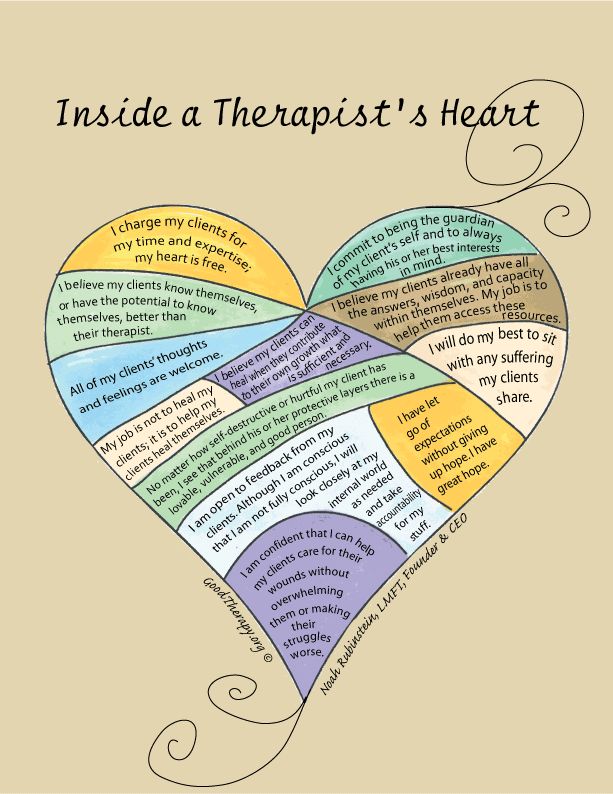
What is in a therapist’s heart
What is Self-Care for Mental Health?
“Self-care” is a broad concept. When feeling overwhelmed, thinking of ways to care for yourself does not usually come easily. Breaking down the concept can make the task of self care less daunting. Self-care for mental health can be viewed in many ways, including: physical needs, personal needs, and interpersonal needs.
Physical needs include nutrition, hydration and hygiene. Personal needs refer to feeling worthy. How do you feel worthy you may ask? Reflect on your accomplishments no matter how small you think they are, consider your strengths, do something positive. To meet interpersonal needs, connect with someone, pay someone a compliment, or even just smile at a stranger. Do at least one thing from each category every day to begin, gradually add more as time goes by. Soon, you’ll feel the benefits of the positive relationship between self-care and mental health.