
Blog
Neurodevelopmental trauma

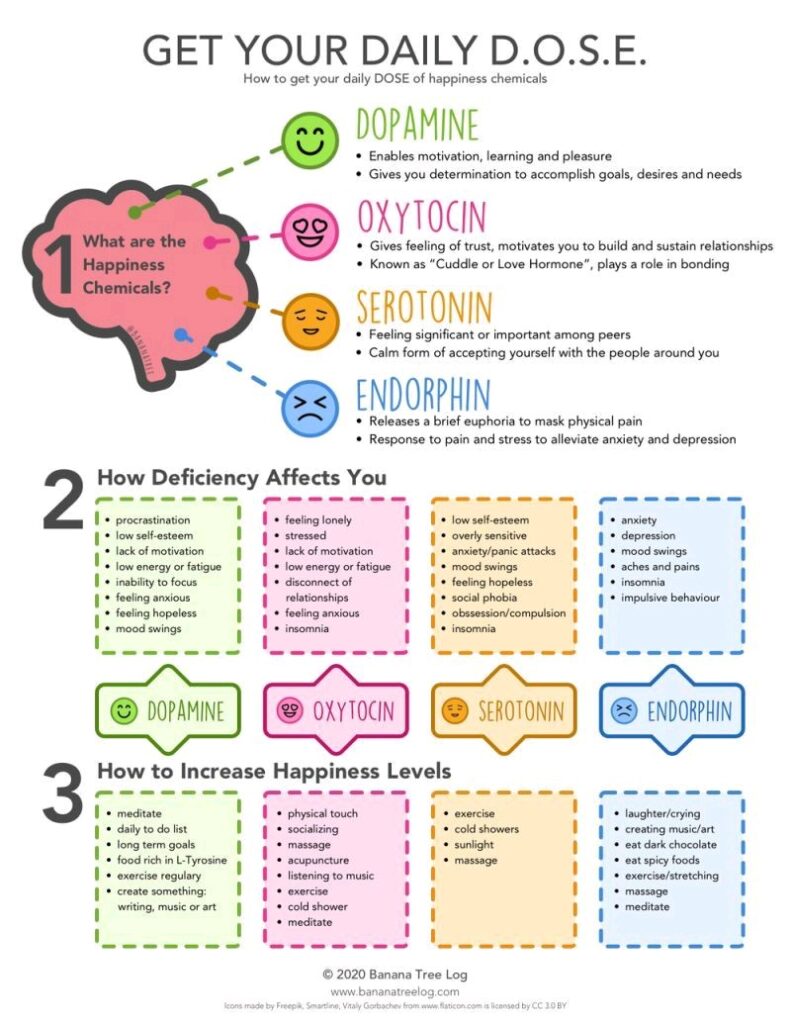
Neurotransmitters
Birth Order

Depression and pretending you are fine
When you live with depression, it takes supreme effort to put on the mask for the world that you are fine. Even though doing so is exhausting, you drag yourself out of bed and support others or simply trudge to the next chore on your list. Maybe you pretend to be fine because you don’t want to be a burden. Or perhaps you feel like you must hide your pain. Whatever your personal reason, you do everything you can to keep going and look “normal.”
However, depression is a real illness that is both mentally and physically exhausting. The effort it takes to function as if you’re fine can wear you out further. This makes your need for support and understanding even greater. Because others think you’re fine, you silently slide deeper into the dark hole that is depression.
Coping with disappointment
Do you feel like in this moment in life is one disappointment after another and that you’re struggling because of it? COVID-19 brought about a big change to the world and the way we live. Mental illness can intensify the effects of disappointment, throwing you for a loop that can leave you vulnerable. Try these tips to calm your negative emotions.
- Allow yourself to feel your full range of emotions, recognizing the negative ones and being gentle with yourself for having them
- Every day, identify one small action that will help you feel better emotionally, and do it
- If you are taking medication or following a treatment plan.
- Seek extra support from your therapist, online support groups, local organizations, or loved ones
Allowing yourself to feel your emotions around disappointments and taking steps to nurture yourself will help you cope. You just might find, too, that you make room for new ways to replace disappointment with new, positive experiences.
Being productive with ADHD
Some of the symptoms of ADHD can make focusing and planning difficult, which makes being productive a real challenge. If you’ve ever wrapped up a day feeling frustrated and exhausted because it seems like you started many things and finished nothing, try not to be disheartened. You can do things to feel more productive with ADHD and in control of your day.
Try these tips for creating a focused day:
Develop a centering morning ritual. Starting your day with intention can help keep you focused and calm all day long. Here are some ideas:
- Journal about a goal for the day, something you’re grateful for that will carry you through the day, or a positive feeling or thought
- Search for an inspirational quote and write it down as a motivator for your day
- Do yoga to get your mind and body in synch and moving
- Meditate to focus your thoughts
- Sip a cup of tea or coffee mindfully, simply enjoying the calm before the day begins
Select just two or three primary goals. What do you need to accomplish most today? Do these first.
Commit to mindfulness.
Is there a genetic link between Depression, Bipolar, Schizophrenia?
Receiving a correct diagnosis of mental illness is crucial for proper treatment. Unfortunately, because often symptoms overlap this is not always possible. Often, people with mental illness experience a trial-and-error type of process, with doctors and patients working to figure out complex symptoms and match various treatment approaches to those symptoms. It can sometimes take years for a correct diagnosis to be made and the best treatment begun.
Researchers are trying to remedy this, and in the case of bipolar disorder and disorders where psychosis is present, such as schizophrenia, they may have discovered a breakthrough that might lead to earlier identification and treatment. Scientists with iPSYCH, a psychiatric research project in Denmark, studied nearly 17,000 people with depression who had been treated in a psychiatric hospital. They discovered common genetic risk factors of bipolar disorder and schizophrenia. They studied people who had been diagnosed with depression because major depression often precedes other illnesses like bipolar and psychotic disorders. While the findings are preliminary and the genetic link was small, the results are encouraging. They point to a possible genetic link between these mental illnesses that, if future studies confirm, can be used to identify someone’s risk of developing bipolar disorder or a psychotic disorder. This could lead to better detection and earlier treatment.
Self-Care Wheel

Body Image
How do you see your body? How’s your relationship with your body? These might seem like odd questions, but when it comes to your mental health and wellbeing, they’re important.
Body image issues are common. Most of us can find flaws to pick on and things about our bodies that we’re unhappy about. Body image issues are severe enough to qualify for a disorder called body dysmorphic disorders (BDD). For people with BDD, body image concerns seem to dominate thoughts and emotions and limit behaviours. Worries may or may not relate to weight. If they do involve weight concerns and impact eating, an eating disorder may develop.
Whether or not your concerns about what you believe are defects in your appearance qualify for BDD, body image issues can severely impact self-esteem, overall mental health, and your sense of wellbeing. Bodily concerns seem truthful and cause you to see exaggerated flaws. Which, can lead to these ‘flaws’ defining you. These are distorted beliefs, thus I would suggest you get help from a mental health professional.
Try to lead a balanced life
