
Blog
The Silent Empty Bowl: Navigating the Unique Grief of Pet Loss
Losing a pet is an experience that often defies words. For many, it isn’t just the loss of an animal; it is the loss of a silent witness to our daily lives, a source of unconditional positive regard, and a consistent rhythmic presence in our homes. I lost my beloved cat, a month ago, and there will be an emptiness for many years to come.
When we lose a human loved one, society has established rituals—funerals, wakes, and bereavement leave. But when a beloved pet passes, the world often keeps spinning at its usual pace. We may feel a pressure to “get over it” or minimize our pain because it was “just an animal.”
However, the brain doesn’t distinguish between the bond shared with a human and the bond shared with a pet. In many ways, the grief of losing a pet can be uniquely complex.
Why It Hits So Hard
Unconditional Presence: Our pets are often the only beings who see us at our most vulnerable, without judgment. They provide a “secure base,” a concept in attachment theory that allows us to feel safe in our own environment.
The Loss of Routine: Grief is often found in the “empty spaces.” It’s the silence when you walk through the door, the lack of a morning walk, or the absence of a heavy weight at the foot of the bed. We aren’t just mourning a friend; we are mourning the structure of our day.
The Weight of Agency: Often, we have to make the difficult decision to end a pet’s suffering. This introduces “disenfranchised grief”—a pain that isn’t always openly acknowledged by society—coupled with a sense of responsibility that can lead to complicated guilt.
Honoring the Journey
If you are navigating this transition, here are a few ways to honor both your pet and your process:
Validate the “Disenfranchised” Grief: Your pain is real because your love was real. Do not let the lack of formal societal structures dictate the validity of your mourning.
Create a Ritual: Since society lacks a “funeral” for pets, create your own. Plant a tree, create a photo book, or write a letter to your pet thanking them for the lessons they taught you.
Mind the “Shoulds”: Avoid telling yourself “I should be over this by now.” Grief has no expiration date, and there is no “right” way to feel.
The Dialectic of Love and Loss: It is possible to feel profound sadness for their absence while simultaneously feeling deep gratitude for the years you shared. Both can be true at once.
A Signal of Love
Anger, sadness, and emptiness are all signals. They signal that a deep, meaningful connection existed. While the house may feel quieter, the impact of that connection remains part of your story. Be as kind to yourself today as your pet would have been.
Reflection for the Month:
How can you honor a small routine this week that reminds you of the love you shared, rather than just the loss you feel?
Your Monthly Mindful Moment: The Heat of Anger—Finding the Message, Not Just the Meltdown

As we move into March, a month of transition, I want to talk about an emotion that often feels anything but transitional: anger. It can feel like a sudden storm, a slow boil, or a simmering resentment that colors our days. In my practice, clients often express shame about their anger, seeing it as a failure of control or a “bad” emotion they should suppress. Let’s reframe that now. Think of anger like your car’s ‘check engine’ light. Smashing the dashboard doesn’t help. We need to learn what it’s trying to tell us. Maybe a boundary has been crossed. A need is unmet. A value has been violated. Or, we are feeling hurt, afraid, or powerless beneath the surface.
The goal of anger management is not to never feel anger. The goal is to honor the signal without letting the alarm system destroy the house. It’s about moving from a reactive state to a responsive one. This month, we’ll explore how to do that.
Part 1: The Pause—Creating Space Between Trigger and Reaction
When anger flares, our amygdala (the brain’s threat detector) hijacks our prefrontal cortex (the rational, planning center). We are biologically primed to fight. The single most powerful skill is to break the circuit.
Techniques for The Pause:
· The Body Scan Check-In: Anger is profoundly physical. Notice it without judgment. Where do you feel it? Clenched jaw? Hot face? Tight chest? Simply naming the sensation—“My shoulders are up by my ears”—creates a sliver of space between you and the reaction.
· The 90-Second Rule: Neuroscientist Dr. Jill Bolte Taylor notes that an emotional surge, if fully felt without feeding the story, will often dissipate in about 90 seconds. Set a timer. Breathe. Feel the wave. Don’t act. Let it pass.
· The Strategic Exit: It is profoundly wise to say, “I need a moment. This is important, and I want to discuss it when I can think more clearly.” Then, leave the room. This is not avoidance; it is skilled emotion regulation.
Part 2: Decode the Signal—What Is the Anger Really About?
Once you’ve created space, become a detective, not a judge. Ask yourself with curiosity:
1. What was the specific trigger? (Not “they’re so annoying,” but “When they interrupted me for the third time…”)
2. What underlying need or value feels threatened? (e.g., Need: respect, autonomy, fairness. Value: efficiency, collaboration, kindness.)
3. What softer emotion is underneath? Often, anger is a protective shell around hurt, fear, shame, or helplessness. The question, “What am I really feeling?” is transformative.
Example: Anger at a partner for being late might mask hurt (“I feel unimportant”) or anxiety (“I worried something happened to you”).
Part 3: Channel the Energy—From Destructive to Constructive
Anger carries immense energy. Our task is to redirect that energy toward a solution, not an explosion.
· For Immediate Physical Energy: Use it. Squeeze a stress ball, do 20 jumping jacks, tear up a newspaper, go for a brisk walk. Scream. Swear. Kick a ball. This discharges the cortisol and adrenaline physiologically.
· For Communicating the Need: · Use “I Feel” Statements (The Classic for a Reason): Structure: “I feel [emotion] when [specific situation]. I need [positive, actionable request].”
· Instead of: “You never listen!” (Accusation)
· Try: “I feel frustrated when I’m sharing something important and the phone is checked. I need to have our conversations with our full attention.”
· Focus on the Future, Not the Past: The goal is repair and change. Ask, “What can we do differently next time?” rather than cataloging past wrongs.
A Final Note: When Anger Is a Warning Sign
Sometimes, chronic or explosive anger is a symptom of deeper issues—unprocessed trauma, chronic stress, depression (which can manifest as irritability), or overwhelming life circumstances. If your anger feels uncontrollable, is harming your relationships or self-esteem, or is accompanied by violent urges, this is a sign to seek support. Addressing this in therapy is a courageous act of self-care.
Your Practice for March: The next time you feel anger’s heat, see if you can follow the sequence: Pause. Feel it in your body. Get curious about the message. Choose a response that honors your need.
Remember, the emotion is not the problem. It is a messenger. You get to decide how to answer the door.
Your Monthly Mindful Moment: Beyond Roses—What Love Really Asks of Our Mental Health

February arrives with a particular cultural script: red hearts, grand gestures, and a focus on romantic love. While beautiful for some, this narrative can leave many feeling a profound sense of lack, pressure, or introspection. It prompts a bigger question I want to explore with you this month: What is the real relationship between love and our mental well-being?
This week, three different clients used the phrase, ‘I just want to feel loved.’ Each meant something profoundly different…
Let’s broaden the definition. Love is not just a feeling reserved for a partner. It is the secure bond with a friend, the compassionate voice you (aim to) use with yourself, the deep care for a family member, and the fundamental human need for connection. From this wider lens, love becomes a central pillar of our psychological landscape.
Part 1: Love as a Mirror (And Why That Can Be Hard)
Our closest relationships act as powerful mirrors. They reflect back to us not only our strengths and joys but also our unhealed wounds, our insecurities, and our ingrained patterns (what we in psychology call “attachment styles”).
· If you struggle with anxiety, love might feel like a constant worry about loss or rejection.
· If you navigate depression, love might feel like a burden—the fear you are “too much” or the exhausting effort to “show up” for others.
· If you have a history of relational trauma, love might feel unsafe, confusing, or intertwined with pain. I can assist you with this using BWRT.
This isn’t a sign you’re broken or unlovable. It is a sign that love has touched a tender, protected part of your psyche. The work of mental health is not to avoid this mirror, but to learn to look into it with curiosity and kindness, so we can understand the reflection, not shatter the glass.
Part 2: The Foundational Love: The One With Yourself
We’ve all heard the saying, “You can’t love others until you love yourself.” I find this statement overly simplistic but so full of weight.
Your relationship with yourself sets the tone for every other relationship in your life. It’s not about achieving perfect self-love before connecting with others. It’s about practicing self-compassion as the baseline.
· Ask yourself: Do you speak to yourself with the same kindness you’d offer a struggling friend?
· Notice: When you make a mistake, is your inner voice one of condemnation or of gentle accountability?
· Practice: This month, try one act of internal love. When a critical thought arises, pause and say, “This is a moment of suffering. It’s human. What do I need right now?”
This internal shift changes how you experience love from others—you become better able to receive it, trust it, and set boundaries when it’s not serving you.
Part 3: Cultivating “Secure” Love in All Your Connections
Psychological research on attachment shows that a sense of “secure” connection—feeling safe, seen, and soothed—is a cornerstone of mental health. We can foster this security, whether in romance, friendship, or family.
Try these intentional practices:
1. Practice Attuned Listening: In your next conversation, put your phone away. Listen not to formulate your response, but purely to understand the other person’s emotional world. Reflect back: “It sounds like that was really overwhelming for you.” This simple act of validation is a profound gift.
2. Make Repair a Ritual: Conflict is inevitable. Mental health isn’t about avoiding it, but about repairing it. A sincere, specific apology (“I’m sorry I interrupted you; I got overexcited and dismissed your point”) rebuilds trust and safety far more than perfection ever could.
3. Express Appreciation Specifically: Move beyond “I love you” to “I really loved how you handled that tough call today—your calmness helped me feel calm, too.” This highlights the tangible impact of a person in your life, deepening the connection.
A Final Thought: Love as a Verb, Not Just a Season
This February, I invite you to decouple love from the commercial calendar and recouple it with your daily mental health practice. See it as the active choice to be present, to be kind, to be boundaried, and to be forgiving—toward others and toward that often-overlooked person you wake up with every morning: yourself.
Love, in its truest psychological sense, is not a dizzying feeling that happens to us. It is a series of intentional, sometimes courageous, actions we choose for ourselves and others. And those actions are among the most potent contributors to our long-term mental well-being.
Growth question: “Which feels more challenging for you right now: giving love, receiving it, or directing it inward? Why?”
Your Monthly Mindful Moment: Finding Motivation When It Feels Impossible

Even as a psychologist, I have seasons where my own motivation feels like a distant memory. The clinical strategies I trust aren’t immune to life’s challenges, but they are my map back.
If you’re reading this, there’s a good chance you’ve typed some version of “how to get motivated when you’re depressed” or “how to stop feeling stuck” into a search engine. You’re not alone. In my practice, the question of motivation—or more accurately, the pain of its absence—is one of the most common and distressing challenges people bring.
We often talk about motivation as if it’s a gas tank: you either have it or you don’t. When life feels heavy, when anxiety whispers “what’s the point?”, or when depression makes even small tasks feel monumental, we blame ourselves for an empty tank. We see others moving forward and assume we’re broken.
Today, I want to offer a different framework: Motivation isn’t just the fuel; it’s often the spark that comes from movement, not the other way around. When you’re struggling, waiting for motivation to strike is like waiting for a car to start without ever turning the key. The key, in this case, is action—any action, no matter how tiny.
Part 1: Redefining the Goal (It’s Not About “Feeling Like It”)
When your mental health is a challenge, the goal can’t be grand, sweeping inspiration. That sets us up for failure. The goal must shift to building momentum through microscopically small wins.Your brain’s reward system, which is deeply impacted by conditions like depression and anxiety, responds to completion. It doesn’t judge the size of the task. So, we must start small enough that resistance is minimal.
Strategy: The “5-Minute Victory” or the “One-Thing Start.”
· Don’t clean the whole kitchen. Commit to washing one single dish.
· Don’t plan a full workout. Put on your shoes and step outside for one deep breath of fresh air.
· Don’t tackle the entire report. Open the document and write one sentence.
The objective is not the task itself. The objective is to prove to yourself, through lived experience, that you can initiate something. That small completion releases a drip of dopamine—the “I did it” neurochemical—which makes the next action slightly easier. This is behavioral activation, a core evidence-based technique.
Part 2: Compassion is Your Co-Pilot, Not Your Critic
The inner voice that says, “That’s pathetic, one dish won’t matter,” is the very thing extinguishing your spark. You cannot shame yourself into sustainable action.
Strategy: Practice Self-Dialogue as You Would with a Cherished Friend.Imagine a dear friend, exhausted and struggling, tells you, “All I did today was put one dish in the dishwasher.” Would you say, “That’s all? Lazy.”? Of course not. You’d likely say, “That’s actually a really good start. You did something even though it felt hard. What’s one more tiny thing we can do together?” Start speaking to yourself with that same tone of encouragement and curiosity. “Okay, I’m really tired, but I’m going to see if I can stand up and stretch for ten seconds.” This compassionate accountability is transformative.
Part 3: The “Why” Beneath the “What”Sometimes, our goals feel empty because they’re disconnected from our core values. We think we should want something, but it doesn’t resonate.
Strategy: Connect Small Actions to a Deeper Value.
Instead of: “I need to go for a walk.” (Feels like a chore). Try: “I am going for a 5-minute walk as an act of care for my body, which carries me through hard days.” (Connects to the value of self-care or respect).
Ask yourself: What value would this action serve?
· Making that phone call might connect to your value of connection.
· Paying that bill might connect to your value of responsibility or peace of mind.
An action aligned with a personal value has a much stronger pull, even when it’s difficult.
A Final Word: Motivation as a Practice
Motivation is not a permanent character trait. It’s a practice, like building a muscle. Some days that muscle is strong; some days it’s strained and needs gentle care. On the hard days, your practice isn’t failing—it’s simply being honest.
Your task for this month is not to find a grand, sweeping passion. It is to look for the smallest possible point of entry—the one dish, the one email, the one deep breath—and to complete it with radical self-compassion. Observe what happens. Did the world end? Or did you, for a fleeting moment, prove to yourself that you are still an agent in your own life? That tiny proof is the most powerful motivator there is. Build from there, one microscopic victory at a time.
With empathy and belief in your capacity.
Your Monthly Mindful Moment: Navigating the Festive Hustle & Building a Grounded 2026
Hello and welcome to this month’s post. If you’re reading this, you’ve likely made it through another year—a feat worth acknowledging. As we find ourselves in the thick of the festive season, a time paradoxically filled with both joy and strain, I want to pause and talk about practical sustenance.
In my practice, December often brings a shared feeling: “I just need to get to January.” There’s a sense of holding one’s breath through the gatherings, the expectations, the financial pressures, and the potent mix of cherished memories and complex family dynamics. The pressure for unadulterated “cheer” can make our very human stresses feel like personal failures.This year, let’s shift the goal. Instead of merely surviving until 2026, what if we focused on tiny, intentional acts of self-care that serve two purposes: anchoring us through the festivities and building a foundation of resilience for the new year?
Think of these not as another item on your to-do list, but as psychological lifelines—quick, accessible, and powerfully effective.
Part 1: In-the-Moment Anchors (For When You Need a Breath, Now)These are your 30-60 second resets. Their power lies in interrupting the stress cycle and bringing you back to the present.
1. Ballon Breathing : Think of a balloon in you tummy. Come on, have you got the colour of you balloon, yet? Good. Inhale quietly through your nose for 4 counts. Fill yiur ballon in your tummy. Exhale completely through your mouth for 6 counts. This isn’t just calming; it activates the parasympathetic nervous system, telling your body “danger has passed.” Do it twice.
2. The Sensory Grounding Scan (5-4-3-2-1): When feeling overwhelmed, look around. Name (silently): 5 things you see, 4 things you can feel (your feet on the floor, the fabric of your sweater), 3 things you can hear, 2 things you can smell, 1 thing you can taste. This forces your brain out of its anxious narrative and into the concrete present.
3. The “Two-Feet” Practice: Simply feel the soles of your feet making contact with the floor. Notice the weight, the pressure, the stability. Imagine roots going down into the earth. It’s a rapid way to feel grounded and centered, literally.
Part 2: Daily Micro-Practices (Building Resilience Day-by-Day)These take 2-10 minutes and are investments in your emotional buffer zone.
1. The Transition Ritual: After a long day or a stressful event, consciously mark the transition. Before you walk into your home or your next task, take 60 seconds in your car or on your doorstep. Say to yourself, “I am leaving that behind now. I am here, in this moment.” Listen to one song that demarcates the shift. This prevents emotional spillover.
2. Gratitude as Glasses, Not a List: Instead of a forced list, try this: Look for one tiny, beautiful, or okay thing in your day. The steam off your coffee, the color of the sky, a single moment of quiet. The goal isn’t positivity; it’s training your attention to notice that not everything is hard. This builds a cognitive counterweight to our brain’s natural negativity bias.
3. The Compassionate Check-In: Place a hand on your heart or your own arm. Ask, gently: “What do I need right now?” Listen for the simple, honest answer. Is it a glass of water? A stretch? Five minutes alone? It’s not about solving everything; it’s about practicing listening to yourself with kindness—the same way you would a loved one.
Carrying These Into 2026: The Foundation, Not The ResolutionAs we cross the threshold into the new year, I invite you to abandon the language of grandiose, often shaming, resolutions. Instead, consider: Which of these micro-practices felt most nourishing?Did the 4-7-8 breath become a secret superpower? Did the transition ritual create needed space? That is your foundation.Your 2026 intention can be as simple as: “I will practice listening to what I need.” From that foundational skill, sustainable growth becomes possible. You learn to identify overwhelm earlier, communicate boundaries more clearly, and seek joy more authentically.
Remember: Self-care is not selfish. It is the stewardship of your inner resources. It is what allows you to be present for the moments of genuine connection and joy—both during the festive season and in the year to come.Wishing you moments of peace and genuine connection,
Mental Health Month: It’s Not About “Fixing” What’s Broken

Every October, during Mental Health Month, our feeds tend to fill with well-meaning messages about “ending the stigma” and “prioritizing your wellbeing.” And while these are vital, I want to pause and reframe the conversation slightly.
In my practice, I often meet people who come in feeling… broken. They use words like “fix me” or “something is wrong with my wiring.” They present their anxiety, their depression, their trauma, as a malfunction that needs a quick repair.
But here’s the truth I wish more people understood: Mental health is not about erasing your pain or “fixing” what is inherently broken. It is about understanding your story, and learning to unravel the knots within it.
The Myth of the “Finished Product”
We live in a culture obsessed with solutions. We want the life hack, the 5-step plan, the 30-day transformation, the quick fix. This mindset tricks us into believing that a healthy mental state is a final destination—a place of perpetual calm and happiness where difficult emotions no longer exist.
This is a dangerous illusion.
Human beings are not machines. We are dynamic, ever-changing organisms shaped by a lifetime of experiences, relationships, and biological factors. To be human is to feel a full spectrum of emotions, including grief, fear, anger, and anxiety. These are not signs of failure; they are signals.
From “What’s Wrong With Me?” to “What Happened To Me?”
One of the most powerful shifts in therapy is moving from a question of blame to a question of understanding.
· “What’s wrong with me?” leads to shame, isolation, and a feeling of being defective.
· “What happened to me?” opens the door to curiosity, compassion, and context.
That critical life transition, that past relationship, that childhood environment, that societal pressure—these are the threads that, over time, can become tangled into the knots known as anxiety, depression, or burnout. Your mind isn’t broken; it’s often doing its best to protect you with the tools it learned in a different time.
The Courage to Unravel
So, if the goal isn’t to “fix,” what is it?
The goal is to cultivate the courage to sit with yourself, gently and without judgment, and begin to unravel those knots.
Unraveling looks like:
· Noticing your thoughts instead of being swept away by them. (“I am having the thought that I am not good enough,” vs. “I am not good enough.”)
· Naming your emotions as they surface, giving them space to be felt without letting them dictate your actions.
· Connecting the dots between your present-day triggers and your past experiences.
· Learning new skills to soothe your nervous system when it’s in a state of survival.
· Practicing self-compassion when you stumble, speaking to yourself with the kindness you would offer a dear friend.
This process isn’t always linear, and it’s rarely easy. It requires patience and, often, the support of a professional guide. But it is in this unraveling that we find our agency. We discover that we are not helpless victims of our minds, but active participants in our own healing.
This Mental Health Month, I Invite You To…
· Shift the narrative. Talk about your mental health not as a problem to be solved, but as a landscape to be understood.
· Practice curiosity. The next time you feel a difficult emotion, ask it, “What are you trying to tell me? What do you need?”
· Reach out. If you feel tangled in knots you can’t loosen alone, consider speaking with a therapist. It is not a sign of weakness; it is a profound act of strength.
You are not a project to be completed. You are a story that is still being written. And every time you choose to understand a single thread of that story, you are honoring the true spirit of mental health.
Warmly,
Dr. Adilia Silva
Burnout or Breakdown? How High-Achievers Can Manage Anxiety (Without Sacrificing Success)
The most driven professionals, such as doctors, CEOs, attorneys, entrepreneurs—often dismiss anxiety as “the cost of success.” But chronic stress erodes performance, health, and relationships. As a psychologist who works with high-performers, I’ve seen how untreated anxiety leads to burnout, insomnia, and even career crises. Let’s explore why high-stress professions breed anxiety, and how to thrive without self-destructing.
🔥 Why High-Achievers Are Prone to Anxiety
The “Triple Threat” Trap
Perfectionism
“If I’m not the best, I’m a failure.”
Linked to procrastination and self-sabotage (Journal of Personality and Social Psychology).
Hyper-Responsibility
“Everything depends on me.”
Common in healthcare, law, and leadership roles.
Emotional Suppression
“I can’t show weakness.”
Leads to somatic symptoms (migraines, GI issues).
💡 Reality Check:A 2024 study found 72% of executives report chronic anxiety, but only 18% seek help (Harvard Business Review).
⚠️ Hidden Signs of Professional Burnout (It’s Not Just “Feeling Tired”)
High-functioning anxiety often disguises itself as:
✔ Workaholism (“I’ll relax after this deadline” → never happens).
✔ Irritability (Snapping at colleagues/family over minor issues).
✔ Decision Fatigue (“I can’t even choose what to eat for lunch”).
✔ Presenteeism (Physically at work, but mentally checked out).
✔ Imposter Syndrome (“My success is luck; I’ll be exposed”).
📌 Self-Assessment:If 3+ signs resonate, your stress may be crossing into burnout.
🧠 Science-Backed Strategies to Reset Your Nervous System
For Immediate Relief (5 Minutes or Less)
Ballon Breathing: Inhale (4 sec) → Exhale (6 sec) Why it works: Activates the parasympathetic nervous system.
“5-4-3-2-1” Grounding: Name 5 things you see, 4 you feel, 3 you hear, 2 you smell, 1 you taste.
Long-Term Resilience Builders
Schedule “Micro-Recovery”
10-minute walk between meetings (no phone!).
Use Pomodoro Technique (25 mins work → 5 mins stretch/deep breathe).
Reframe “Productivity”
Swap “I must work 12-hour days” → “I do my best work rested.”
Try “80% Rule”: Aim for excellence, not perfection.
Delegate (Yes, Really)
Start small: Outsource one task/week (meal prep, admin work).
Therapy Modalities That Work
CBT: Challenges “all-or-nothing” thinking.
BWRT: Processes trauma from high-stakes mistakes.
ACT: Helps clarify values beyond achievement.
🚨 When to Seek Professional Help
Consider therapy if you experience:
🔴 Physical burnout: Chronic fatigue, frequent illness.
🔴 Emotional detachment: Numbness, cynicism at work.
🔴 Cognitive fog: Memory lapses, inability to focus.
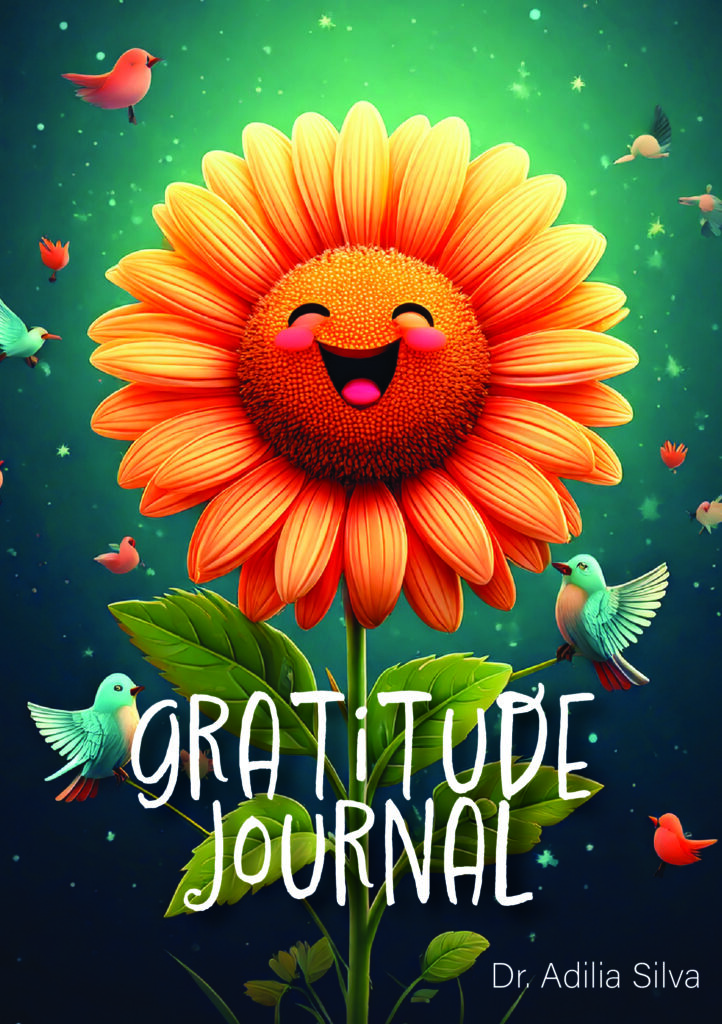
Why a Gratitude Journal is essential for mental health
As a clinical psychologist, I often recommend simple yet powerful tools to support mental well-being—one of the most effective being a gratitude journal. Taking a few minutes each day to reflect on what you’re thankful for can have profound psychological benefits. Here’s why:
1. Shifts Focus from Negativity to Positivity
Our brains have a natural tendency to focus on threats and problems—a survival mechanism known as the “negativity bias.” A gratitude journal counteracts this by training the mind to notice and appreciate positive experiences, no matter how small. Over time, this rewires thought patterns, reducing rumination and anxiety.
2. Enhances Emotional Resilience
Research shows that gratitude is strongly linked to lower levels of depression and stress. By regularly acknowledging good things in life—whether it’s a supportive friend, a beautiful sunset, or a small personal achievement—we build emotional resilience, making it easier to cope with challenges.
3. Improves Sleep and Reduces Stress
Writing in a gratitude journal before bed can calm the mind, easing worries and promoting better sleep. Studies suggest that people who practice gratitude experience lower cortisol levels (the stress hormone) and report higher sleep quality.
4. Strengthens Relationships
Gratitude fosters empathy and reduces social comparisons. When we acknowledge the kindness of others, we feel more connected and less isolated. This can improve relationships, as expressing gratitude (even privately in a journal) makes us more likely to show appreciation outwardly.
5. Encourages Mindfulness & Presence
Gratitude journaling is a form of mindfulness—it grounds us in the present moment. Instead of dwelling on past regrets or future anxieties, we anchor ourselves in the here and now, cultivating contentment.
How Social Media Affects Mental Health (And How to Use It Wisely)
Social media is woven into our daily lives—but its impact on mental health is complex. While it can foster connection, it also fuels comparison, anxiety, and even addiction. As a psychologist, I often see clients struggling with the emotional toll of scrolling. Let’s explore the science, red flags, and healthier ways to engage.
📱 The Psychology of Social Media: Why It’s So Addictive
Social media platforms are designed to trigger dopamine, the brain’s “reward” chemical. Every like, comment, or notification creates a micro-high—keeping us hooked. But over time, this can lead to:
✔ Comparison fatigue: Measuring your life against curated highlights of others.
✔ FOMO (Fear of Missing Out): Anxiety over being excluded.
✔ Doomscrolling: Falling into negative content rabbit holes.
🔍 Did You Know?
A 2023 study found that teens who spend 3+ hours daily on social media double their risk of depression (Journal of the American Medical Association).
⚠️ 5 Signs Social Media Is Harming Your Mental Health
- Mood swings after scrolling (e.g., feeling inadequate or irritable).
- Checking apps first thing in the morning/before bed.
- Ignoring real-life relationships for online interactions.
- Physical symptoms: Eye strain, poor sleep, or headaches.
- Hiding your usage (e.g., deleting apps but reinstalling them).
👉 Self-Check: If you nodded to 2+ signs, it’s time to reassess your habits.
💡 5 Therapist-Approved Strategies for Healthier Use
1. Curate Your Feed
Unfollow accounts that trigger envy or anxiety.
Mute toxic topics (e.g., diet culture, political rage bait)
Follow mental health advocates.
2. Set “Tech Boundaries”
30-Minute Rule: No screens 30 mins after waking/before bed.
App Timers: Use iPhone’s Screen Time or Android’s Digital Wellbeing.
“One Screen” Policy: No phone + TV/laptop simultaneously.
3. Replace Doomscrolling with “Joy Scrolling”
Search uplifting hashtags: #GoodNews, #SmallWins.
Save inspiring posts to a “Happy Folder” for bad days.
4. Practice Mindful Posting
Ask yourself:
“Why am I sharing this?” (Validation? Connection?)
“How might this affect others?” (e.g., vacation pics vs. relatable struggles).
5. Schedule Regular Detoxes
Try a “Screen-Free Saturday” once a month.
Use apps like Forest to stay present.
🧠 When to Seek Help
Social media can worsen underlying issues like:
Anxiety disorders (constant “what if?” thoughts).
Body dysmorphia (comparing yourself to edited images).
ADHD (impulsive scrolling disrupting focus).
Therapy can help you:
✔ Identify triggers.
✔ Build self-esteem offline.
✔ Develop healthier coping skills.
Suicide Prevention
